
 Carrots, scientifically known as Daucus carota, are a popular and versatile root vegetable cherished for their vibrant color, crunchy texture, and sweet flavor. Carrots typically have an elongated shape with a tapering tip. They come in various colors including orange, purple, yellow, and white, with orange being the most common. They are particularly rich in beta-carotene (a precursor to vitamin A), vitamin C, vitamin K1, and B vitamins like folate. Carrots contain minerals such as potassium, calcium, and magnesium, which are important for various bodily functions.
 Maajee India Private Limited is into exporting of top quality Parwal at industry-beating prices. We are widely acknowledged for our quality, freshness, and punctuality that has made us one of the prompt Parwal vegetable exporters from India. We also Offer organically Produced varieties of Parwal. The antioxidants, vitamin A, and vitamin C found in parwal help fight the free radical molecules that promote these symptoms. Natural blood purifier: Parwal also has blood-purifying characteristics that may aid in blood purification and may also offer protection from a variety of grave illnesses.
 Maajee India Private Limited is into producing and exporting the top fresh quality tomato. We export green and red tomatoes. We are widely acknowledged for our quality, freshness and punctuality that has made us one of the frequent exporter of tomato in India. We also Offer organically Produced varieties of Tomato. The tomato is the edible berry of the plant Solanum lycopersicum, commonly known as the tomato plant. The species originated in western South America, Mexico, and Central America. High in vitamins (especially vitamin C and vitamin A), minerals (potassium), and antioxidants (lycopene). Antioxidant properties and their potential role in reducing cancer risk. .
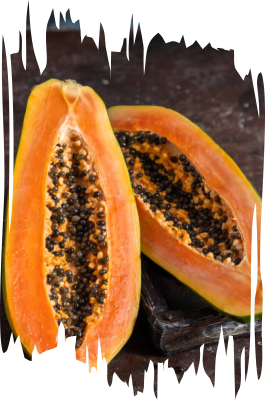 Raw papaya is picked when it is unripe and thus it has more enzymes than the ripe papaya. Its enzyme papain acts as an antioxidant and helps protect the heart. The papaya fruit is a sizable, meaty berry with a smooth, green exterior that becomes yellow or orange as it ripens. The fruit’s flesh varies in colour from yellow to red to orange and is thick and succulent. The fruit has lots of seeds that are wrinkled and black. High in vitamins (especially vitamin C), minerals (potassium, magnesium), and fiber. Enzymes (papain) and fiber content aiding digestion. The bright orange color of pumpkins comes from beta-carotene, an antioxidant that may help reduce the risk of chronic diseases.
 Pumpkin is a large, wholesome orange vegetable that is packed with nutrients. Although it has little calories, it is high in vitamins and minerals, which are also present in its seeds, leaves, and fluids. Pumpkin is a variety of squash that people often think of as a traditional Halloween decoration or a Thanksgiving pie filling. However, the flesh of the pumpkin plant provides a range of health benefits outside of popular festivities. High in vitamins (especially vitamin A and vitamin C), minerals (potassium, magnesium), and fiber. Pumpkins are typically harvested in the fall after a growing season that lasts throughout the summer.
 Also known as asparagus bean. Heat and wet tolerant. Pods: long and slender, 50 to 70 cm long, medium green color. The vines are rampant climbers, so plant next to a bean tower or trellis. Maturity: beginning of harvest 50-60 days after sowing. Pick beans when they are the width of a pencil. Long beans are type of a green vegetables, available throughout the year. It is 12-30 inches long, slender generally pale green to dark green coloured, depending on the variety. Long beans are commonly stir-fried in Asian cuisines, where they maintain their crunchiness and absorb flavors from sauces and seasonings. They are also used in curries and soups, adding texture and a subtle sweetness to dishes. Long beans can be blanched and used in salads for a refreshing crunch.
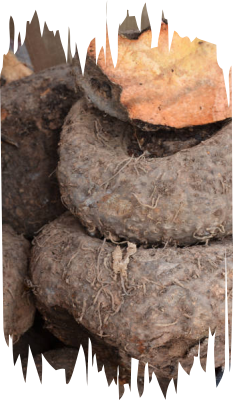 Elephant yam, scientifically known as Amorphophallus paeoniifolius, is a large, tuberous vegetable that grows underground. It is characterized by its rough, brownish exterior and a dense, starchy interior. Elephant yams are typically large and irregularly shaped, resembling an oversized potato or a club-shaped root. They can weigh several pounds and have a tough, fibrous outer skin that needs to be peeled before cooking. As a low-calorie, high-fiber food, elephant yam can contribute to feelings of fullness and aid in weight management.
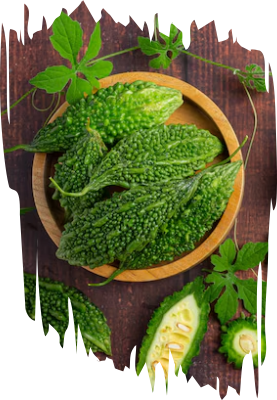 Bitter melon, often called bitter gourd due to its oblong shape and bumpy, green skin, is a vegetable that belongs to the gourd family. Despite its initial bitterness, it is prized for its culinary versatility and medicinal properties across various cultures. Bitter melon is rich in vitamins A, C, and E, as well as B vitamins like folate and minerals such as potassium, zinc, and iron. It contains powerful antioxidants such as flavonoids, polyphenols, and carotenoids, which help protect cells from damage caused by free radicals.
 Green pumpkin, also known as green squash or kaddu in some regions, refers to unripe or immature pumpkins that are harvested before they fully ripen and turn orange. The potassium content in green pumpkin may help regulate blood pressure and promote cardiovascular health. Due to its high fiber content and low calorie density, green pumpkin can be beneficial for weight management and maintaining a healthy weight. The vitamins and antioxidants in green pumpkin contribute to a strong immune system and may help protect against infections.
 Cucumbers, scientifically known as Cucumis sativus, are cylindrical, elongated vegetables known for their crisp texture, mild flavor, and high water content. Cucumbers typically have a cylindrical shape with smooth, green skin. They vary in size from small pickling cucumbers to longer English or hothouse cucumbers.There are several varieties of cucumbers, including slicing cucumbers (commonly eaten fresh), pickling cucumbers (used for making pickles), and seedless cucumbers (with smaller, tender seeds).
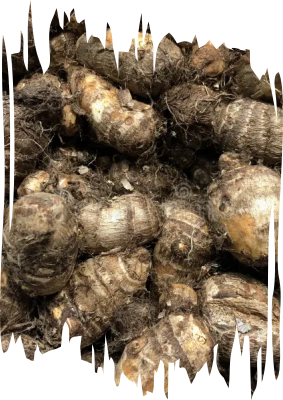 Taro roots are bulbous with rough, hairy skin that ranges from light to dark brown. The flesh inside can vary in color from white to purple, depending on the variety. There are several varieties of taro, with differences in size, flavor, and texture. Some varieties are better suited for boiling, while others are preferred for making taro chips or desserts. Taro is a good source of complex carbohydrates and dietary fiber, which provide sustained energy and promote digestive health.
